Accounting for Additional Supplies
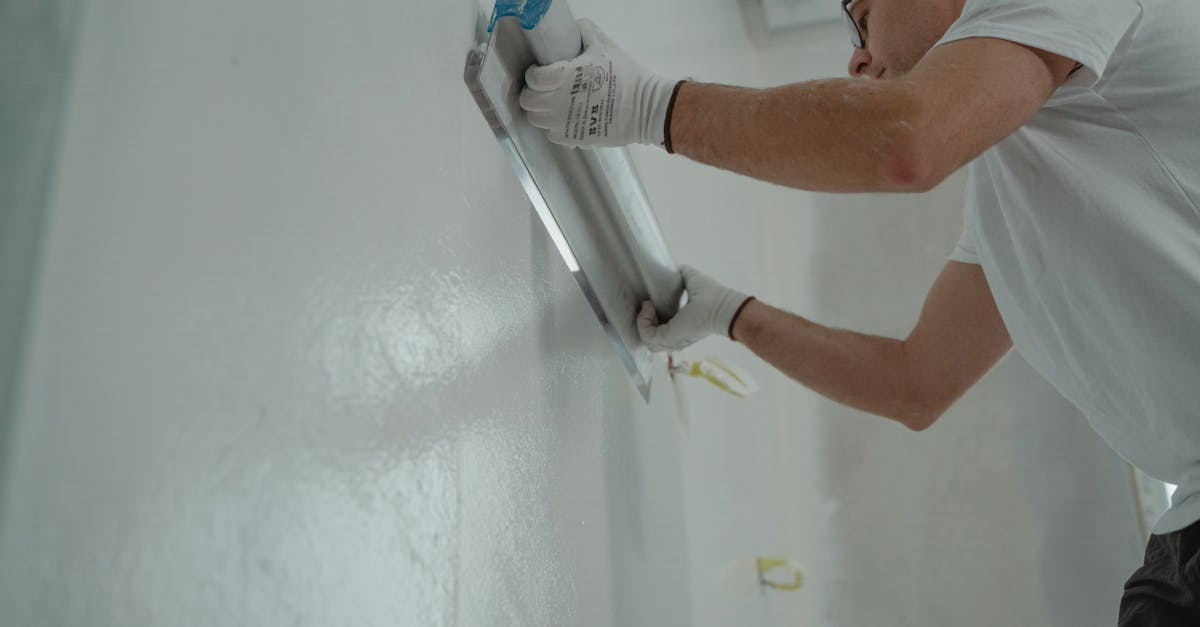
When preparing for a project like Interior Painting in Downtown East Village, Calgary, it's essential to consider the additional supplies needed beyond just paint. Essential items include brushes, rollers, drop cloths, painter's tape, and trays, which help ensure a clean and efficient painting process. Also, investing in tools such as ladders or scaffolding may be necessary for reaching high areas, especially in older buildings where ceilings tend to be higher.
Another critical factor is the quality of supplies. Opting for high-quality brushes and rollers can make a significant difference in the final appearance of the paint job, as they reduce the risk of streaks and ensure even application. Assessment of the surface requires repair materials like filler and sandpaper for a smooth finish. Each of these elements contributes to a successful project and should be factored into the overall budget when planning your interior painting efforts.
Navigate to this website to learn more.
Listing Necessities Beyond Paint
When estimating the cost of interior painting, it is essential to consider the additional supplies that will be required beyond just the paint. Essential items include primer, brushes, rollers, painter's tape, drop cloths, and trays. Each of these components plays a significant role in achieving a professional finish. If you are planning to undertake a project like Interior Painting in Tuscany, Calgary, proper budgeting for these materials can prevent unexpected expenses.
It is also crucial to account for any specialty tools or accessories you might need based on the design or complexity of the space. This could involve specific brushes for detailed work, sponges for texturing, or even ladders for reaching high ceilings. Taking inventory of what is already available and identifying any gaps will help ensure that the project runs smoothly. Preparing adequately will also help avoid interruptions, allowing for a more efficient painting process overall.
Considering Seasonal Factors
When planning for interior painting in Edgemont, Calgary, it is crucial to consider how the seasons can impact your project. Winter, with its colder temperatures and increased indoor humidity, may present challenges for paint adhesion and drying times. Conversely, summer can offer more favorable conditions, but high temperatures and humidity can also affect the quality of the finish. Assessing these seasonal factors can help you choose the right time for your project, resulting in a more efficient application and a better overall outcome.
The local climate can also impose specific constraints on your painting schedule. During the spring and fall, temperatures may be optimal, but unpredictable weather patterns can lead to sudden changes. Paint curing may be delayed if there is a spike in humidity or unseasonably cool weather. Being aware of these fluctuations allows for flexibility in scheduling, ensuring that the painting process remains on track without compromising the integrity of the work. This strategic planning can make a significant difference in how effectively you complete your interior painting in Edgemont, Calgary.
Evaluating Weather Impact on Painting
Weather conditions significantly influence interior painting projects. High humidity levels can extend drying times, potentially leading to imperfections in the finish. Conversely, unseasonably cold temperatures may also hinder the curing process of paint, causing adhesion problems and an uneven appearance. Therefore, monitoring the local weather forecast before starting a project is essential to ensure the best possible conditions.
In Arbour Lake, Calgary, seasonal fluctuations can impact scheduling decisions. Summer storms can interrupt planned painting days, making it critical to have a flexible approach when determining timelines. Being aware of weather patterns specific to the region helps homeowners and contractors alike allocate sufficient time, ultimately ensuring a successful outcome for every interior painting job.
Estimating Timeframes
Accurately estimating the time required for an interior painting project is crucial for effective planning. Various factors can influence the duration, including the size of the space, the complexity of the design, and any prep work that may be needed. For instance, if you are considering a project like "Interior Painting in Tuscany, Calgary," factor in the details of the home’s architecture. Older homes may require more meticulous preparation due to potential repairs or the type of paint previously used.
Creating a clear schedule can help streamline the painting process. Allocating specific days for each stage—such as prep work, painting, and drying—ensures that expectations are managed. It is wise to include buffer days in case of unexpected delays, like weather changes or paint curing times. Having a well-structured timeline allows for efficient use of resources and keeps the project on track, ensuring a smooth finish for any interior space.
Creating a Schedule for Completion
Creating a clear schedule is essential for successful interior painting in Altadore, Calgary. Start by assessing the size of the area being painted. This evaluation will help determine how many days will be needed to complete the project. Factor in the drying times for each coat of paint, as well as any additional time required for priming or sanding surfaces. If there are multiple rooms to be painted, consider whether it’s more efficient to work on one room at a time or tackle several at once.
Once you have an estimated duration, it’s time to organise your days. Setting specific time blocks for painting will maintain momentum and help keep the job on track. Break the schedule into manageable tasks, allocating time for preparation, painting, and cleanup. Being methodical will aid in achieving a polished finish without feeling rushed. Consider potential interruptions and allow for flexibility in case of unforeseen circumstances.
FAQS
What are the main factors to consider when estimating interior painting costs?
The main factors include the size of the area being painted, the quality of the paint, additional supplies required, and the complexity of the job, such as repairs or special techniques.
What additional supplies should I account for in my painting estimate?
Besides paint, you should consider supplies such as brushes, rollers, painter's tape, drop cloths, ladders, and any necessary cleaning materials or primers.
How do seasonal factors affect the timing and cost of interior painting?
Seasonal factors can influence humidity and temperature, which affect drying times and the application process. Painting in more temperate months can also be more cost-effective as demand for services may be lower.
What weather conditions should I consider when planning an interior painting project?
While interior painting is less affected by outdoor weather, factors like humidity and temperature can impact drying times and the overall finish. It’s best to work in stable conditions to ensure optimal results.
How can I create a realistic schedule for completing my interior painting project?
To create a schedule, assess the size of the area, the number of coats needed, and the drying time between coats. Factor in additional time for prep work and any unexpected delays to ensure a smooth project flow.