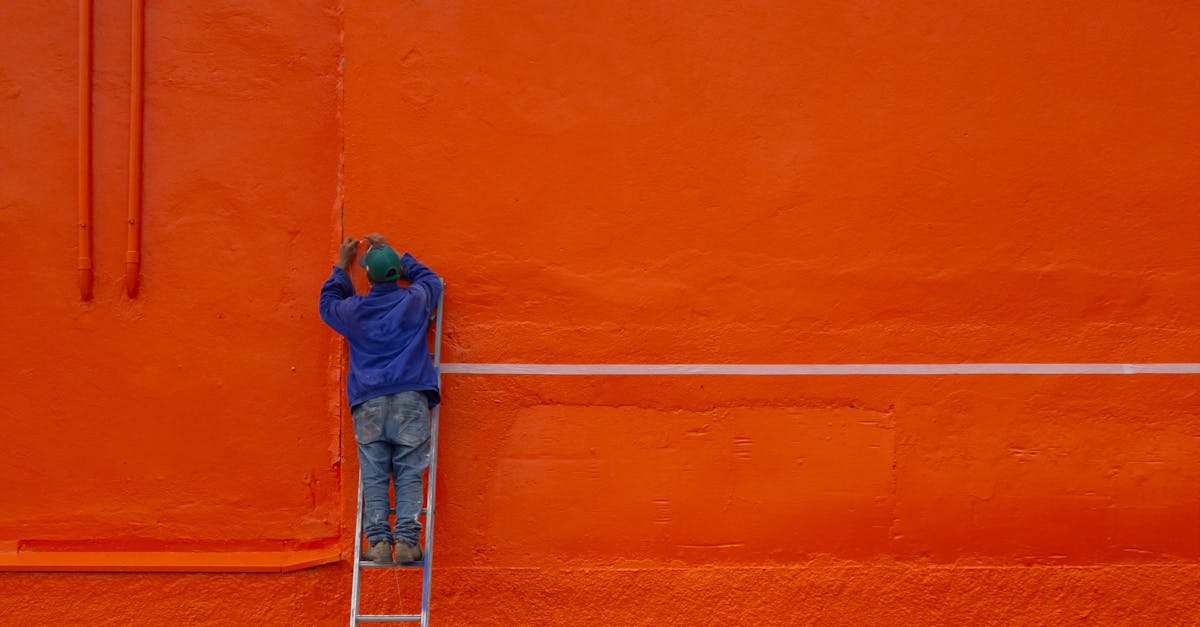
Recommended Painting Techniques
When undertaking exterior painting in Hamptons, Calgary, employing the right techniques is crucial for achieving a long-lasting finish. Begin with a thorough inspection of the surface to identify any imperfections that require attention. Use a high-quality primer to prepare the surfaces, especially on bare wood or areas with significant wear. Priming ensures better adhesion of the paint and enhances the overall durability of the finish.
Applying paint using a sprayer can provide a smooth and even coat, especially on larger surfaces. For intricate details or smaller areas, a brush or roller may be preferable. Always work in manageable sections, ensuring even coverage and avoiding overlap marks. Pay attention to the weather conditions during application; optimal results occur on dry, mild days. Proper technique and timing will enhance the aesthetic appeal and longevity of your exterior paint job.
Navigate to this website to learn more.
Best Practices for Applying Exterior Paint
Using high-quality paint that is designed for exterior surfaces ensures better durability and a longer-lasting finish. It is important to apply paint in suitable weather conditions, avoiding extremes of temperature and humidity. The right timing can significantly affect the outcome, so painting when temperatures are mild helps the paint adhere properly. Consider starting in the morning or late afternoon to prevent the paint from drying too quickly due to the sun's heat.
When engaging in your project, using the proper techniques can yield a cleaner result. For example, employing smooth strokes with a brush or roller helps prevent drips and uneven surfaces. Pay attention to the application method, particularly around edges and corners where precision is crucial. In areas like Downtown West End, Calgary, adapting your approach to local weather patterns and conditions can further enhance the effectiveness of your paint job.
Tools and Supplies Required
When embarking on a painting project, having the right tools and supplies can make all the difference. For exterior painting in Beltline, Calgary, it is essential to gather items such as high-quality brushes and rollers. A paint sprayer can also be beneficial for larger areas, ensuring an even application. Don't forget to include painter's tape for clean lines and drop cloths to protect surrounding surfaces from spills.
Additionally, proper safety equipment should not be overlooked. Make sure to have gloves, goggles, and a mask to protect yourself from paint fumes and debris. Depending on the condition of the existing surfaces, primers may also be needed to ensure good paint adhesion. By equipping yourself with these necessary tools and supplies, you can facilitate a smoother and more efficient painting process, ultimately achieving a professional-looking finish.
Essential Equipment for Outdoor Painting
When undertaking a project like exterior painting in Altadore, Calgary, having the right equipment is essential for achieving a professional finish. Essential tools include high-quality brushes and rollers designed specifically for exterior surfaces. A paint sprayer can also be beneficial for larger areas, allowing for a more even distribution of paint. Additionally, consider using extension poles to reach high places without the need for ladders, ensuring that every part of the house is painted uniformly.
Safety gear is equally important, especially when working on ladders or with potentially harmful materials. Wear gloves and safety goggles to protect your skin and eyes from paint splashes. A durable drop cloth can help safeguard your landscaping and surfaces from accidental spills. Finally, a well-structured scaffolding system can provide extra stability when painting elevated sections of the home. Being well-equipped will not only make the job easier but also enhance the overall quality of the work.
Tips for Preparing the Surface
Proper surface preparation is the cornerstone of successful exterior painting. Begin by thoroughly cleaning the surfaces to remove dirt, mildew, and any flaking paint. Using a pressure washer can be particularly effective in Calgary’s varying weather conditions, ensuring that all contaminants are eliminated. After washing, let the surface dry completely to guarantee optimal adhesion of the new paint. Inspect for any damages or imperfections, as these should be addressed before applying the final coat.
When preparing for your project, it’s also essential to sand any rough areas and fill in cracks or holes with an appropriate filler. In the case of older homes, checking for lead-based paint is crucial, especially in historical areas like Downtown East Village, Calgary. Priming uncovered wood or repaired sections helps create a uniform look and enhances the durability of your paint job. Proper preparation sets the stage for a lasting finish and superior results.
Steps for Proper Surface Preparation
Surface preparation is crucial for achieving a long-lasting and attractive finish when painting the exterior of a home. Start by inspecting the walls for any signs of damage, such as cracks, peeling paint, or mildew. Any imperfections should be addressed before the application of paint. Use a scraper to remove loose paint and a power washer to clean the surface thoroughly. This ensures that the new paint adheres well and provides a smooth, even base.
In addition to repairing any damage, it’s important to allow the surface to dry completely before beginning the painting process. If you live in regions like Hamptons, Calgary, humidity can affect drying times. A well-prepared surface not only enhances the paint's durability but also ensures colour vibrancy. Priming areas that have been repaired or are particularly porous can also be beneficial in achieving a uniform finish and extending the life of your paint job.
FAQS
How much exterior paint do I need for a 2000 sq ft house?
Generally, for a standard two-coat application on a 2000 sq ft house, you will need approximately 5 to 6 gallons of paint, depending on the type of surface and the paint's coverage rate. Always check the manufacturer's specifications for the exact coverage.
What factors can affect the amount of paint required?
Several factors can affect paint requirements, including the texture of the exterior surface, the number of doors and windows, the paint's application method, and whether you are painting over a previously painted surface.
Should I get extra paint, and if so, how much?
Yes, it is advisable to purchase an additional gallon or two for touch-ups and any unforeseen needs. This ensures you have matching paint available in case of repairs or future touch-ups.
How do I calculate the surface area to determine paint quantity?
To calculate the surface area, measure the height and width of each wall, multiply the measurements to get the total area, and subtract the areas of doors and windows. This will give you a more accurate estimate of the paint needed.
Is it better to use one coat or two coats of paint?
While one coat may cover the surface, two coats are generally recommended for better durability and a more uniform finish. The second coat enhances the colour and provides additional protection against the elements.
