Additional Materials and Supplies
When planning for exterior painting, it is essential to consider additional materials and supplies beyond just paint. Primer, which prepares the surface and enhances the durability of the paint, is a critical item. Depending on the condition of the existing exterior, caulking may be needed to seal gaps and prevent moisture infiltration. Tools such as brushes, rollers, and trays will also contribute to the overall cost. For those undertaking Exterior Painting in Tuscany, Calgary, it's wise to account for any unique local needs, such as specific weather-resistant products suitable for the region.
Beyond the basic items, protective gear should not be overlooked. Drop cloths protect landscaping and hard surfaces from paint splatters. Additionally, painter’s tape ensures clean edges and prevents paint from bleeding onto surfaces that should remain unpainted. If the project involves working at heights, scaffolding or ladders will be necessary, contributing to the overall expenditure. This comprehensive list of materials and supplies will help ensure a successful and efficient exterior painting project.
Hop over here to discover more.
Essential Tools for Exterior Painting
To achieve a successful exterior painting project, having the right tools is crucial. Begin with a high-quality paintbrush and roller specific to exterior jobs; these will help ensure an even application. Additionally, a ladder is essential for reaching higher areas of the house, while painter's tape aids in protecting trim and edges for crisp lines. A drop cloth will protect the ground and plants from paint splatters, while a paint tray or bucket will facilitate smooth rolling. For those considering a DIY approach to Exterior Painting in Tuscany, Calgary, investing in these basic tools can significantly impact the final result.
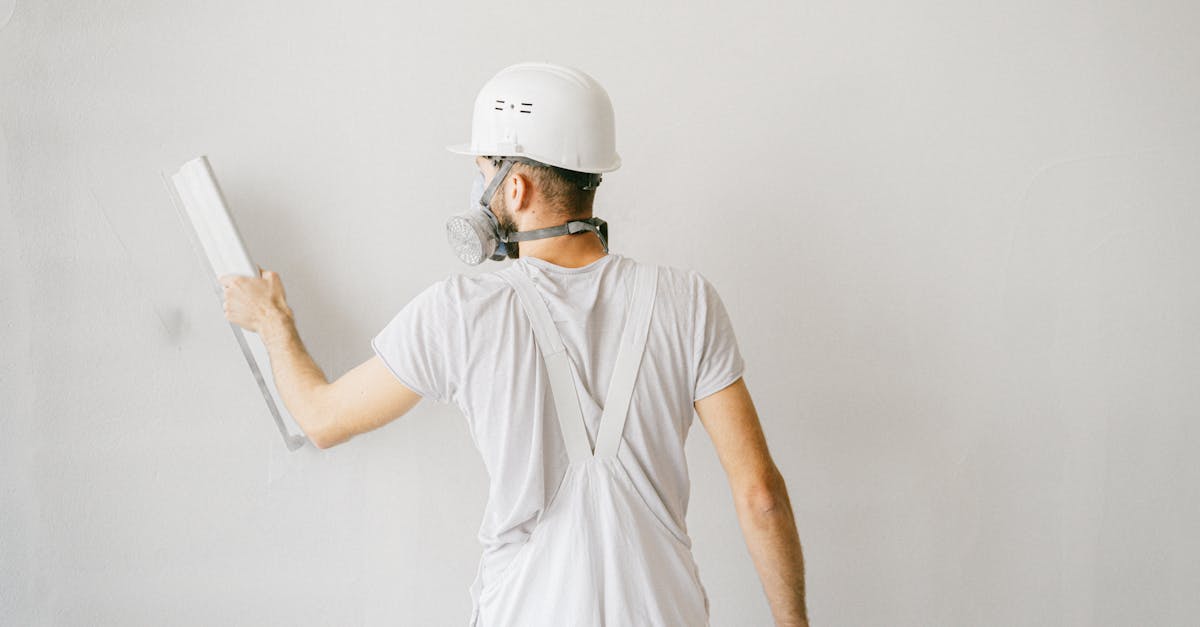
In addition to painting tools, safety equipment should also be prioritized. A durable pair of gloves protects hands from paint and solvents. Safety goggles are important to shield the eyes from any debris while working at heights. If using spray equipment, a mask or respirator becomes necessary to avoid inhaling harmful fumes. Keeping these essentials on hand ensures a more efficient process. As you prepare for your project, remember that the right tools not only elevate the quality of the paint job but also enhance safety and comfort throughout the task.
Seasonal Considerations
When planning for exterior painting, seasonal conditions play a critical role in achieving optimal results. Temperature and humidity can significantly influence the drying time and adhesion of paint. In South Calgary, the summer months offer warmer temperatures and lower humidity, making it an ideal time for exterior painting projects. However, the unpredictable weather patterns that can occur during spring and fall may hinder progress, as rain or rapid temperature fluctuations can adversely affect the paint's performance.
In addition to weather, daylight hours present another consideration for timing your exterior painting project. Longer days in the summer allow for more working hours, which can help homeowners efficiently complete their tasks. During winter, the cold temperatures can prevent proper surface preparation and drying, leading to potential issues that can compromise the longevity of the paint job. Therefore, for those considering a project, scheduling exterior painting in South Calgary, Calgary, during the warmer months tends to yield the best outcomes.
Best Times of Year for Exterior Painting
Timing plays a crucial role in the success of exterior painting projects. In Canada, the best times of year for this task generally fall between late spring and early fall. Warm, dry weather during these months allows paint to adhere properly and cure effectively. In areas like Calgary, the weather can be unpredictable. Ensuring the temperature remains consistently above 10 degrees Celsius is vital for optimal results.
When considering Exterior Painting in Tuscany, Calgary, it's wise to monitor local conditions closely. Ideal days should feature mild temperatures with low humidity. Rain can disrupt the painting process and lead to subpar finishes. Planning ahead and choosing a time frame with reliable forecasts can minimize delays and enhance the longevity of the exterior paint job.
Comparing DIY vs. Hiring Professionals
When considering whether to take on exterior painting in Tuscany, Calgary, or to hire professionals, it’s essential to evaluate your skill level and the time commitment required. A DIY approach can save money upfront, allowing homeowners to purchase materials without labour costs. However, not everyone has the experience needed to achieve a high-quality finish. Mistakes can lead to the need for touch-ups or even complete repainting down the line, potentially negating any savings.
On the other hand, hiring professionals ensures that the job is done efficiently and to a high standard. Experienced painters understand the nuances of weather conditions and surface preparation, which can be crucial for the longevity of the paint job. Although the initial investment may be higher, the professional touch often results in a more durable and aesthetically pleasing outcome. Ultimately, weighing the pros and cons of both options helps in making an informed decision.
Cost-Benefit Analysis
When considering whether to undertake exterior painting as a DIY project or hire professional services, it is essential to weigh the costs against potential benefits. Hiring professionals typically incurs a higher upfront expense, but their expertise ensures that the job is completed efficiently and to a high standard. Amateur painters might face the risk of mistakes, leading to additional costs in materials or the need for costly rework. Ultimately, the decision can hinge on factors such as available time, skill level, and desired quality of finish.
For homeowners in Tuscany, Calgary, a DIY project could provide a sense of accomplishment and save on costs, particularly for those with prior painting experience. However, it may also require a significant investment in time and energy. Conversely, professionals can bring advanced tools and techniques, enhancing the longevity and durability of the paint job. Assessing the long-term value of a well-executed paint job against the initial savings of a DIY project can help clarify the best choice.
FAQS
What factors should I consider when calculating the cost of painting the exterior of my house?
When calculating the cost, consider the size of your house, the type of paint you plan to use, the condition of the surfaces to be painted, any necessary repairs, and additional materials and supplies required.
How do I estimate the amount of paint needed for my exterior?
To estimate the amount of paint needed, measure the total square footage of the surfaces to be painted and divide by the coverage rate of the paint (usually indicated on the paint can). It’s a good idea to add an extra 10% to account for touch-ups and errors.
What are the essential tools I need for an exterior painting project?
Essential tools include brushes, rollers, extension poles, painter's tape, drop cloths, ladders, and a paint sprayer if needed. Additionally, having a good paint scraper and sandpaper will help prepare surfaces.
When is the best time of year to paint the exterior of my house?
The best times of year to paint are typically late spring or early autumn when temperatures are mild and humidity levels are low. Avoid painting during extreme temperatures or rainy weather.
Should I hire a professional or attempt a DIY paint job?
It depends on your skill level, budget, and the size of the project. DIY can save money but may require more time and effort. Hiring professionals can ensure a high-quality finish but may be more expensive. Consider a cost-benefit analysis to help make your decision.