Protecting Floors and Trim
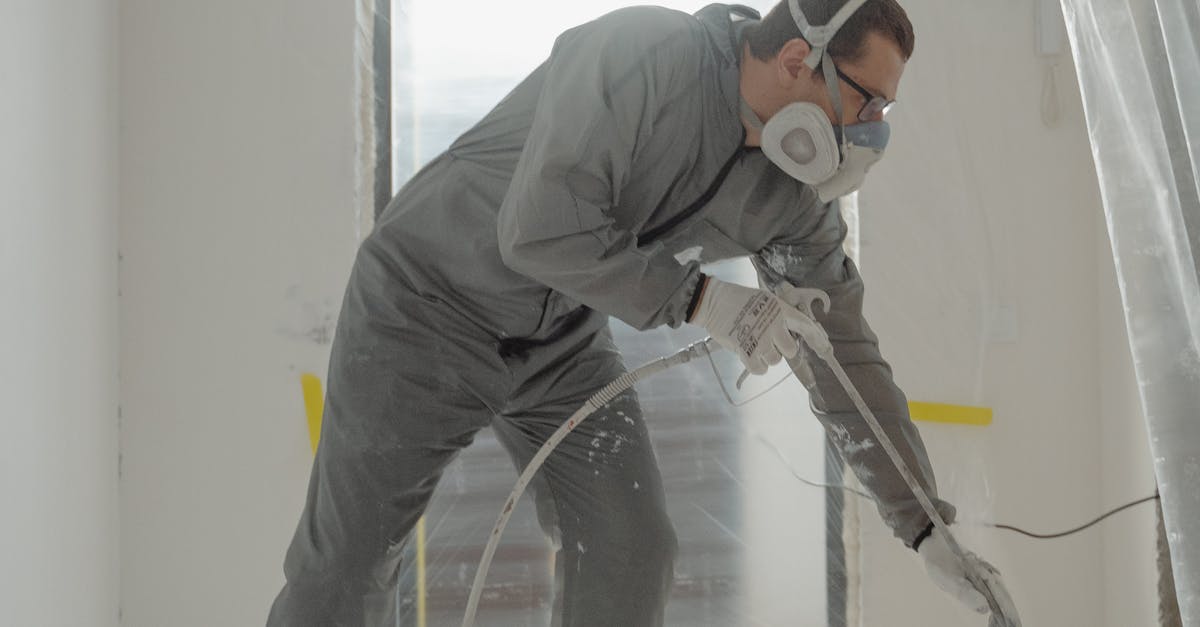
Before starting any residential painting in Crescent Heights, Calgary, it is crucial to protect your floors and trim. Lay down drop cloths or old sheets to catch any drips or spills that may occur during the painting process. Ensure that you cover the entire area, including furniture that cannot be easily moved. This preventative measure will save time and effort when it comes to cleaning up afterwards.
Similarly, take extra care to protect your trim. Use painter’s tape to cover edges and corners where your walls meet the trim, preventing unwanted paint splatters. This attention to detail not only helps maintain clean lines but also contributes to a more professional finish. By taking these precautions, you will set the stage for a successful painting project.
More tips and tricks can be found here.
Effective Methods for Covering Surfaces
One effective method for covering floors and trim involves using drop cloths and plastic sheeting. Drop cloths made of canvas are durable and absorbent, making them ideal for protecting surfaces from spills and splatters. Position them strategically across the floor and under furniture to catch any paint drips. For trim and moulding, opt for plastic sheeting, which provides an additional layer of protection and can easily conform to corners and edges. This method not only safeguards your space but also simplifies post-painting cleanup.
For a more temporary solution, consider using old newspapers or cardboard as coverings. These materials can be repurposed from your recycling bin, allowing for an economical approach to surface protection. It’s important to layer them thickly enough to absorb any mess. While these options may not be as durable as drop cloths, they are effective for smaller areas and quick projects. Engaging in careful preparation is essential for any Residential Painting in Hamptons, Calgary, ensuring that your surfaces remain pristine throughout the painting process.
Preparing the Wall Surface
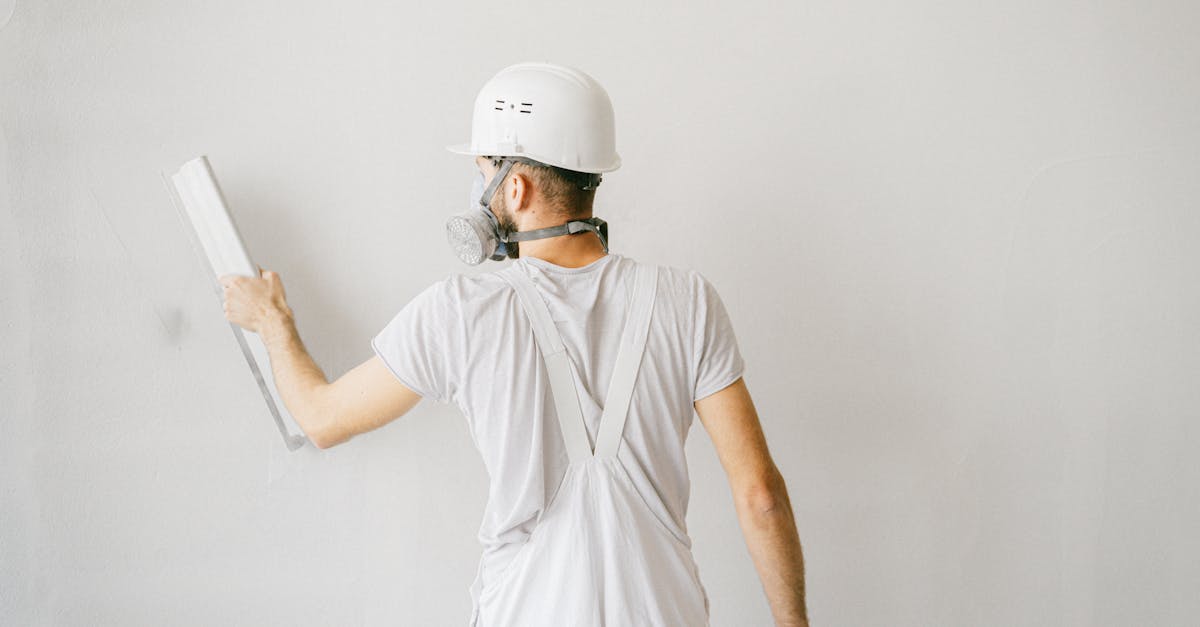
Preparing the wall surface is a crucial step in achieving a flawless finish when painting. Start by inspecting your walls for any imperfections, such as holes, dents, or cracks. Fill these with a suitable filler, allowing it to dry completely before sanding it smooth. Ensure that the wall is free from dust and debris. A clean surface is essential for proper paint adhesion. For those engaged in residential painting in Hamptons, Calgary, this step cannot be overlooked.
Next, wash the walls with a mild detergent solution to remove any grease or stains that may hinder paint adherence. After washing, rinse the walls with clean water and let them dry thoroughly. If the walls are previously painted, it's wise to lightly sand the surface to create a better grip for the new paint. This technique allows the new coat to adhere more effectively, ensuring a long-lasting and professional-looking finish.
Cleaning and Sanding Techniques
Proper cleaning and sanding techniques are crucial steps in residential painting in Crescent Heights, Calgary. Start by removing dust and dirt from the walls using a damp cloth or sponge. This ensures that the surface is clean and free of debris, allowing for better paint adhesion. For areas with grease or stains, a solution made from mild soap and water can help lift unwanted residue. After cleaning, allow the walls to dry completely before proceeding to the next step.
Sanding the wall surface is equally important. Use fine-grit sandpaper to smooth out any rough patches or imperfections. This not only creates a uniform surface for painting but also helps the paint stick better. Pay special attention to previously painted areas, especially if the existing paint is glossy. In such cases, sanding will dull the surface, promoting effective adhesion of the new paint. Ensure to wipe down the walls again after sanding to remove any dust created during this process.
Taping for Clean Lines
When it comes to achieving professional-looking results in residential painting in Crescent Heights, Calgary, proper taping techniques are essential. Start by selecting high-quality painter's tape specifically designed for use on walls. This type of tape adheres well while also being easy to remove without damaging your paint or wall surface. Take your time when applying the tape, ensuring it adheres smoothly and firmly along the edges to prevent any paint bleed.
Before applying your first coat, inspect the tape to see if any areas need to be pressed down more securely. A good practice is to run a putty knife or a credit card along the edge of the tape to ensure a tight seal. This step helps to create crisp lines that enhance the overall appearance of your freshly painted space. Once the painting is complete and the paint has had time to dry, carefully remove the tape at a 45-degree angle to maintain the integrity of the edges.
Best Practices for Using Painter's Tape
Painter's tape serves as an essential tool for achieving crisp, clean lines during a paint job. Prior to application, ensure the surface is thoroughly clean and dry to maximize adhesion. Press the tape down firmly, taking care to smooth out any bubbles or wrinkles that may prevent the paint from sealing properly. For added precision, consider using a putty knife to press down the edge of the tape, creating a sharp barrier that will help keep your paint job looking professional.
When it comes to removal, timing is crucial. It’s best to peel away the tape while the paint is still slightly wet, as this can prevent the paint from lifting off with the tape. Make sure to pull the tape away slowly and at a 45-degree angle for optimal results. For those in need of guidance or assistance, seeking help from professionals who specialize in residential painting in Hamptons, Calgary, can ensure that each step is executed flawlessly.
FAQS
What is the best way to protect my floors and trim before painting?
Using drop cloths or tarps to cover floors is highly recommended. For trim, consider using painter’s tape to mask off areas to prevent paint splatters and drips.
How do I effectively cover surfaces that I don’t want to paint?
You can use plastic sheeting and painter's tape to cover furniture, fixtures, and hardware. Ensure the tape is pressed down firmly to avoid any paint seeping underneath.
What are the essential steps for preparing wall surfaces before painting?
Begin by cleaning the walls with soap and water to remove dirt and grease. Next, sand any rough areas to create a smooth surface for the paint to adhere properly.
How do I clean and sand my walls effectively?
Use a mild detergent mixed with water for cleaning. For sanding, use fine-grit sandpaper and a sanding block, ensuring to sand in a circular motion. Dust off the walls afterward to remove any sanding debris.
What are the best practices for using painter’s tape?
Ensure the surface is clean and dry before applying tape. Press down the edges firmly to create a seal and remove the tape while the paint is still slightly wet for clean lines.