Cleaning Surfaces
Cleaning surfaces is a crucial first step in preparing your home for a fresh paint job. Dust and dirt can hinder the adherence of your new paint, leading to an uneven finish that may not last. Taking the time to thoroughly wipe down the walls with a damp cloth will help remove any particles that have settled over time. In areas with more significant buildup, a mild detergent mixed with water can effectively break down grease or grime. Remember to let the surfaces dry completely before moving on to the next steps.
For those in Sage Hill, Calgary, hiring professional house painters can enhance this preparatory stage. Experienced painters understand the importance of properly cleaned surfaces and may use specialized solutions to ensure optimal results. Failing to adequately prepare your walls could lead to costly issues down the road, such as peeling or flaking paint. Once your walls are clean and ready, you can look forward to a beautiful finish that stands the test of time.
Have a peek at this blog for further readings.
Removing Dust and Dirt
Before applying fresh paint, it’s essential to ensure that surfaces are free from dust and dirt. Use a vacuum cleaner equipped with a brush attachment to remove loose particles from walls, trim, and corners. A microfiber cloth is effective for wiping down surfaces, as it captures dirt without spreading it around. For stubborn stains or accumulated grime, a damp cloth with a mild detergent can be used. It’s important to allow the surfaces to dry completely before proceeding, as moisture can affect paint adhesion.
For those unsure about tackling the cleanup alone, hiring professionals like House Painters Arbour Lake, Calgary, can take the stress out of preparation. Their expertise ensures that all surfaces are thoroughly cleaned and prepped for painting. This attention to detail in the cleaning process lays the groundwork for a flawless finish, avoiding issues down the line that can arise from overlooked dirt or dust.
Taping for Precision
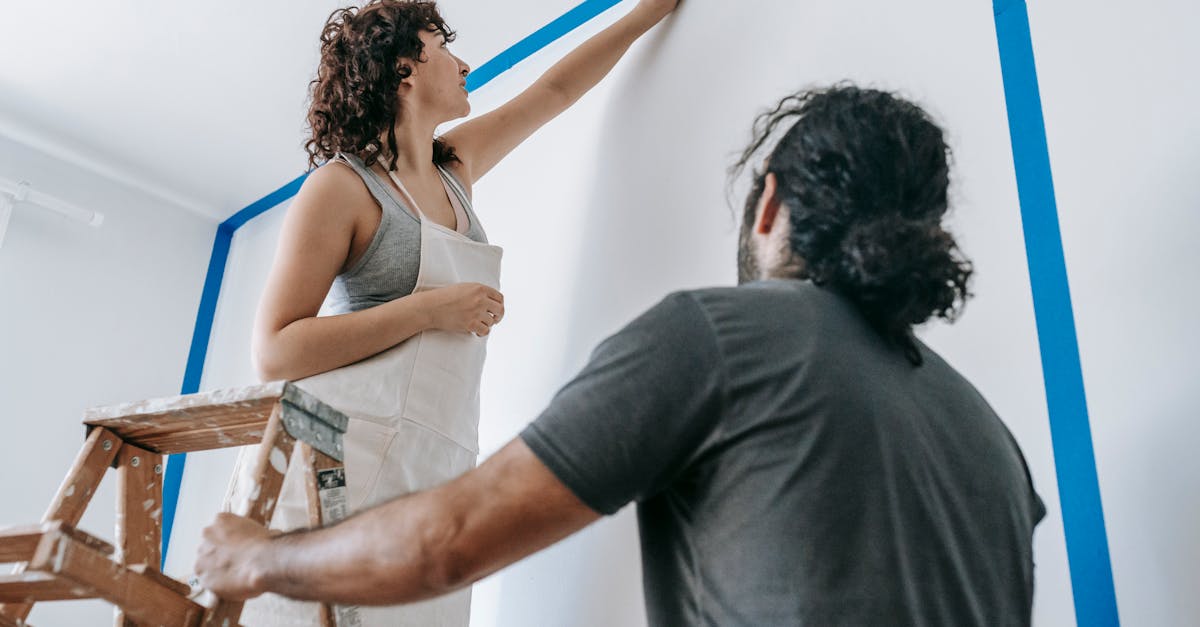
Achieving clean, sharp lines during a painting project heavily relies on effective taping techniques. Painter's tape, specifically designed to create crisp edges, can drastically improve the overall finish. Start by choosing a high-quality tape that adheres well to surfaces to prevent paint bleed. Make sure to apply the tape straight and firmly along the edges where different colours will meet. For best results, gently press down the edges to ensure there are no bubbles or gaps, as these can cause paint to seep underneath.
House Painters Beltline, Calgary, often recommend taking the time to tape off areas such as baseboards, window frames, and door trims. This step not only enhances the aesthetic appeal but also protects your existing fixtures from accidental splatters and drips. When it's time to remove the tape, do so while the paint is still slightly wet for a smoother edge. If the paint has dried completely, use a utility knife to score along the edge before peeling the tape away to prevent any peeling of the fresh paint.
Creating Clean Lines with Painter's Tape
Painter's tape is an essential tool for achieving crisp, clean lines when painting. Applying it properly ensures that the paint does not bleed into areas where it isn't wanted. Start by selecting a high-quality tape designed for painting projects. Clean the surface where the tape will be applied to ensure better adhesion. Press the tape down firmly along the edges to prevent paint from seeping underneath.
To achieve the best results, consider using a straightedge or level for guidance. This technique allows for a more precise application of the tape, especially on uneven or textured surfaces. If you're unsure about your skills, hiring professionals like House Painters South Calgary, Calgary, can save you time and effort while guaranteeing a flawless finish. Taking these steps helps create a professional look that enhances the overall appearance of your freshly painted walls.
Priming the Walls
Priming the walls is an essential step in the painting process. A good primer serves to seal the surface and enhance the adhesion of the paint. It is especially important when working with new drywall or transitioning from a darker to a lighter colour. Not only does primer improve the overall finish, but it also helps in hiding imperfections, providing a more even surface for the topcoat.
For those living in Calgary, hiring professional house painters can make this step seamless. Experienced house painters in Calgary understand the unique needs of different surfaces and choose the right type of primer accordingly. Whether it’s for interiors or exteriors, proper priming ensures that the final paint job lasts longer and maintains its vibrancy over time.
Benefits of Using a Primer
Applying a primer serves multiple purposes that enhance the quality of your paint job. It creates a uniform surface by sealing porous materials and preventing uneven absorption of paint. This leads to a more vibrant finish and can extend the life of your paint by providing a solid base. House Painters Arbour Lake, Calgary often recommend this step to ensure a professional and polished look.
Using a primer can also help with colour retention, especially when transitioning from one shade to another. This is vital when switching from a dark to a light colour, as the primer can prevent the previous hue from bleeding through. In addition, it can improve adhesion, allowing the topcoat to stick better and reducing the likelihood of peeling or chipping in the future.
FAQS
Why is it important to clean surfaces before painting?
Cleaning surfaces ensures that dirt, dust, and grease do not interfere with paint adhesion, leading to a more durable and professional-looking finish.
How do I effectively remove dust and dirt from my walls?
Use a damp cloth or sponge with mild detergent to wipe down walls, followed by rinsing with clean water. For textured surfaces, a vacuum with a brush attachment can be helpful for thorough cleaning.
What is the purpose of taping when painting?
Taping creates clean lines and protects areas you don’t want to paint, such as trim, windows, or ceilings, ensuring a neat and precise application.
How can I ensure I get clean lines with painter's tape?
Apply the tape firmly, press down the edges to prevent paint bleed, and consider sealing the tape with a coat of paint before applying your final colour for enhanced precision.
Is using a primer really necessary before painting?
Yes, using a primer improves paint adhesion, provides a uniform surface for the topcoat, and can enhance the true colour of the paint, making it especially beneficial for new drywall or when changing to a significantly different colour.